Buildings Designed Not to Last Circular building as a system
Buildings are rarely meant to last forever. For environmental engineer and entrepreneur Michel Baars, this reality is the starting point for circular building. With Moos, his company specialising in modular housing, he puts this way of thinking into practice.
Mr Baars, you have been working on sustainability and circular building for many years. What shaped your thinking?
Michel Baars: I started my career advising real‑estate owners on energy efficiency and more sustainable ways of building. Over time, one thing became increasingly clear to me: most buildings are not permanent. Office buildings are often demolished after around 25 years, hospitals after about 50 years, and social housing after roughly 60 years. Yet we still design and build as if buildings were meant to last forever.
The decisive change in thinking came with my second company, a demolition firm. Instead of simply tearing buildings down, we started to recover materials and use them again. That is what brought me into the circular economy. I realised that if buildings are not permanent, we need to design them differently from the very beginning.
And that is what you are doing with circular and modular construction?
Michel Baars: Exactly. We intelligently recombine elements and design buildings so that they keep their value over time – as a whole, as modules, or even as individual components. They can be taken apart, adapted and reused, and they can be moved to where they are needed.
Is that the core idea behind Moos, the third company you have founded?
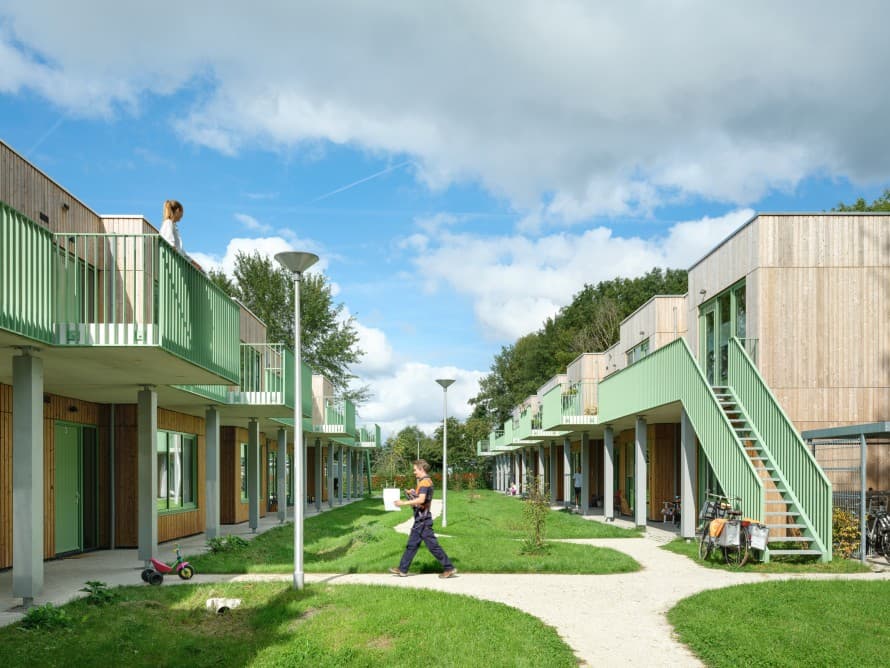
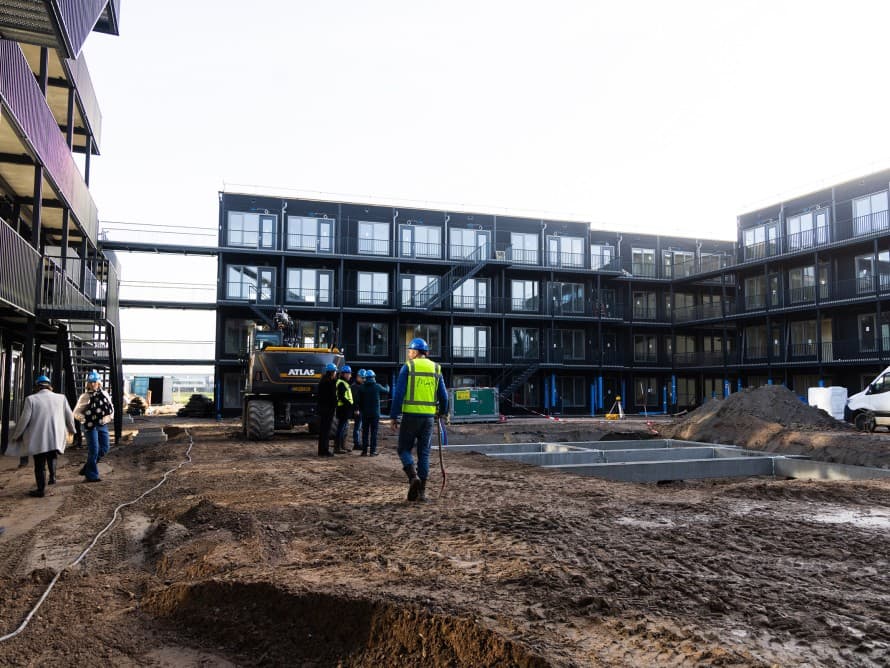
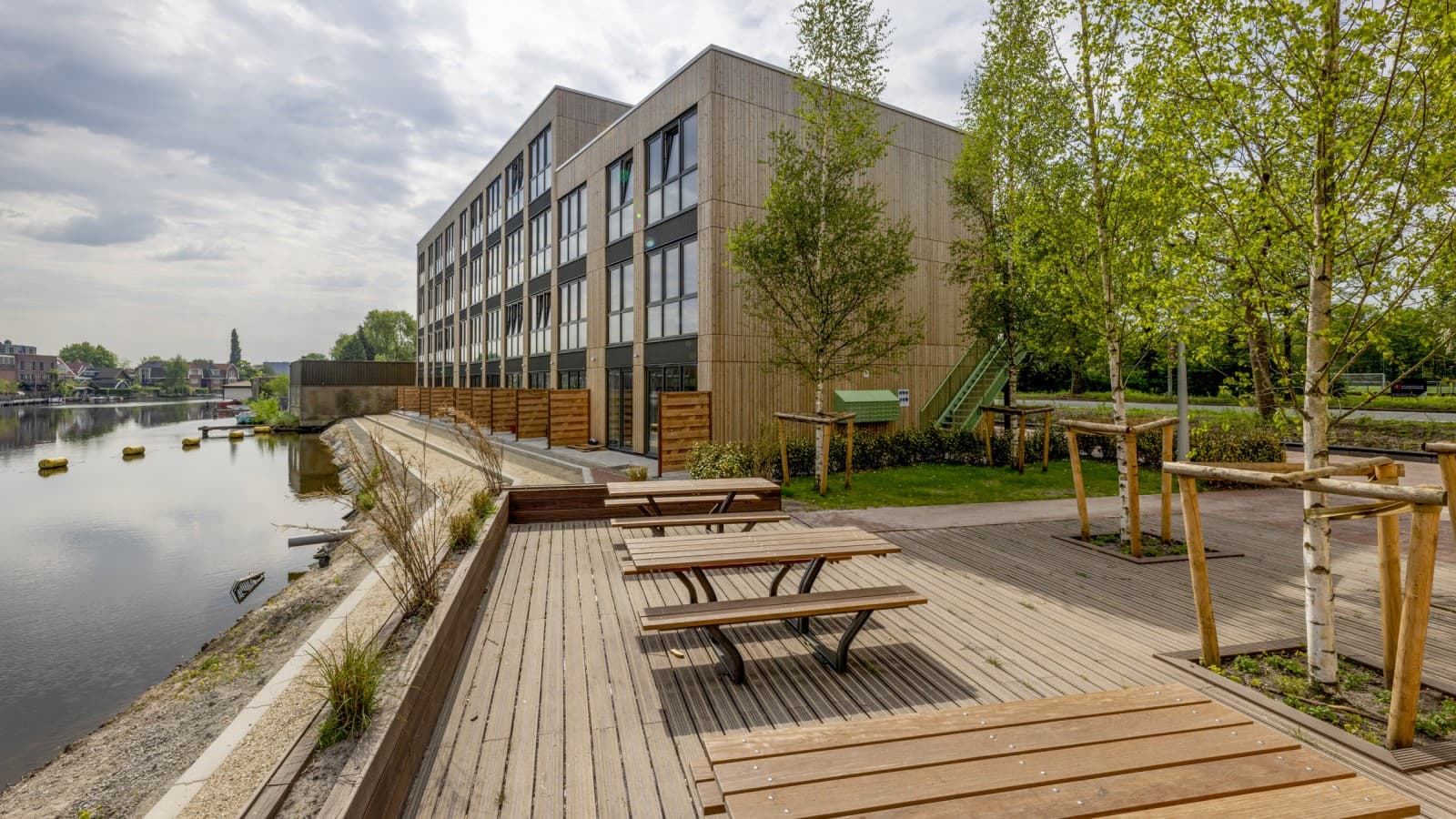
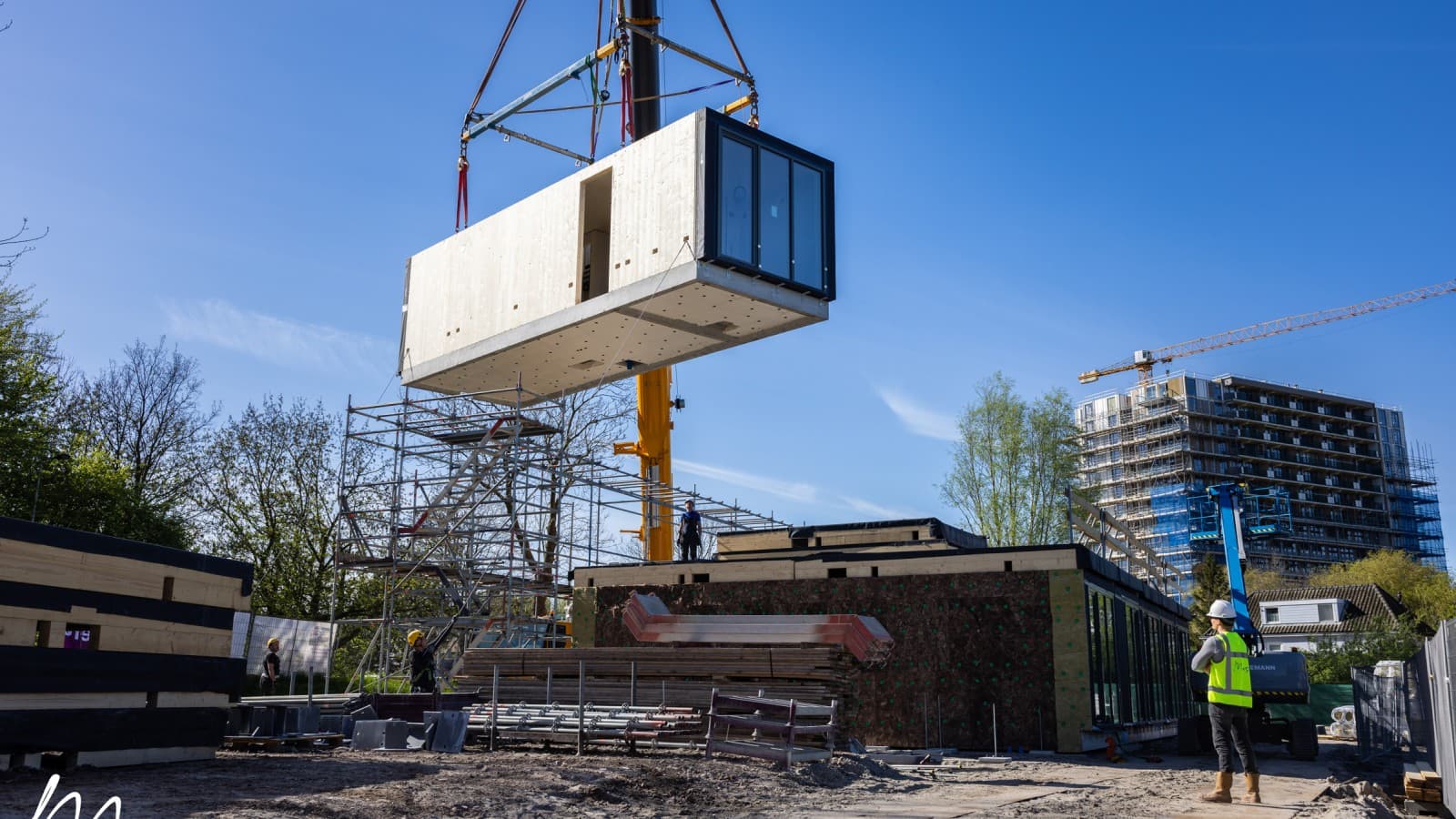
Michel Baars: Yes. We develop and produce modular residential buildings for social housing. In the Netherlands, building permits are often granted only for a limited period of time. That is why we consistently design them in a way that allows the entire building to be taken apart, recombined and reused at other locations. The key is to think of construction, connections and logistics as a single system right from the start.
How does this type of building change the construction industry?
Michel Baars: The biggest shift is taking place in production. Much more than today, elements such as roofs, bathrooms and even complete room units will be industrially prefabricated. This raises new questions, for example: How does renovation and renewal work in a modular system? How can individual components best be replaced? At Moos, we work together with our partners to develop solutions precisely for these challenges.
What does modular, circular construction mean for architects?
Michel Baars: When my son plays with Lego, he first builds exactly what is shown on the box. Later, he starts building from his own imagination. I see circular building in the same way. It requires creativity, systems thinking and a good understanding of construction. Standardisation is not the opposite of design – it is the basis for it. For architects, this is not a limitation, but a creative opportunity.